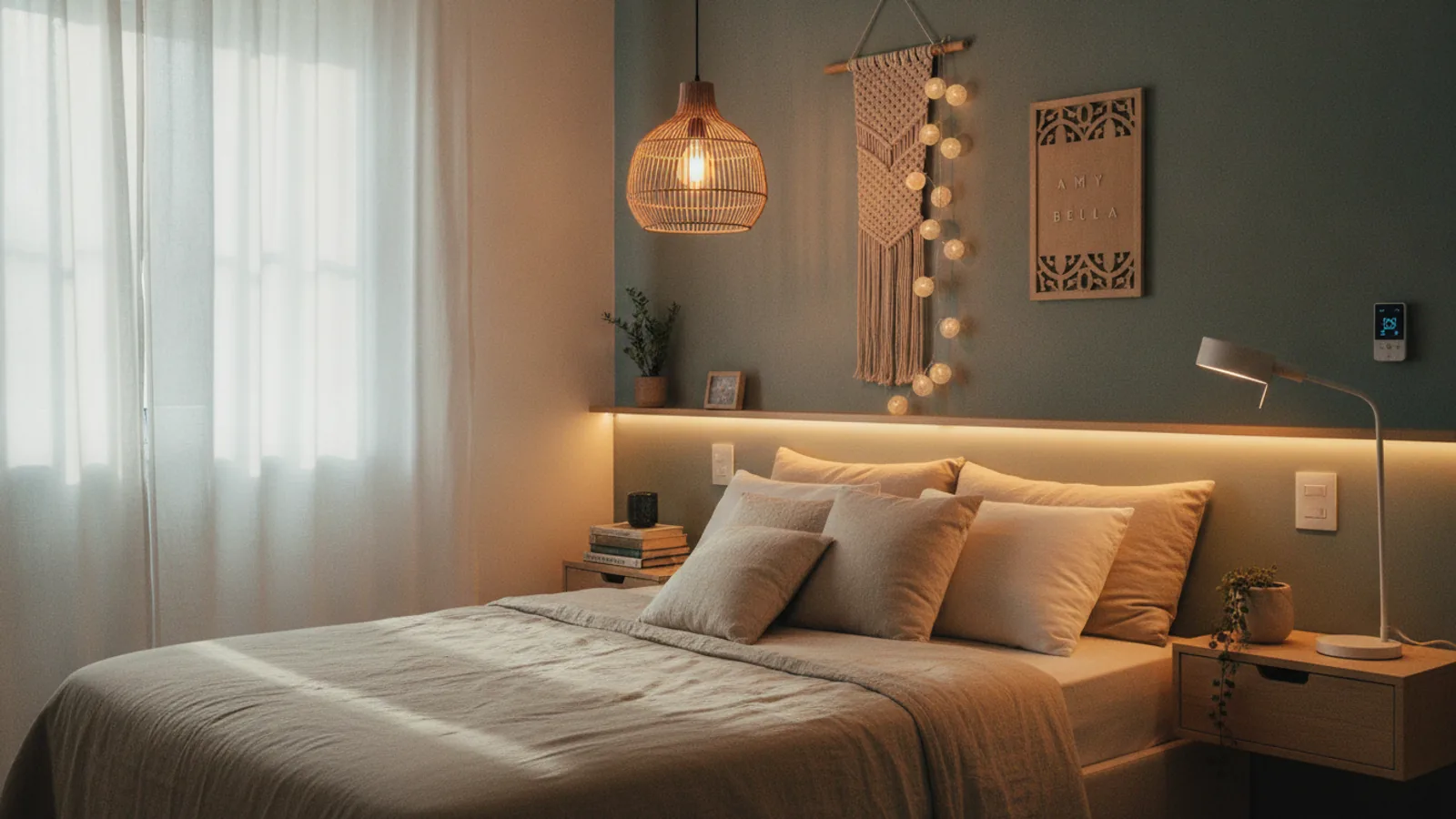
Small Bedroom Budget Update Ideas
A practical step-by-step guide to small bedroom budget update ideas, including preparation, instructions, common issues, tips, and next steps.

Small Bedroom Budget Update Ideas
Updating a small bedroom doesn't have to be expensive or complicated. This guide provides practical, step-by-step instructions for refreshing your space on a tight budget. We'll walk you through simple but high-impact changes using paint, smart furniture placement, new textiles, and creative storage. Following these steps will help you create a room that feels bigger, brighter, and more personalized without breaking the bank. This guide is perfect for anyone looking to make a significant change with minimal spending.
Fast Answer
- Biggest Impact: A fresh coat of light-colored paint instantly brightens and expands the space.
- Key Action: Start by thoroughly decluttering to create a clean, organized canvas.
- Quickest Win: Swap out old bedding and curtains for new textiles to change the room's entire feel.
- Budget Target: Aim for under $200 for a significant transformation.
Before You Start
Proper preparation is the key to a smooth and successful bedroom update. Gathering your materials and making a clear plan before you begin will save you time, money, and frustration. This initial phase ensures your project stays on budget and achieves the look you want.
What You Need
- Planning Tools: Measuring tape, notepad, and pen (or a notes app).
- Decluttering Supplies: Boxes or bags labeled "Keep," "Donate," "Trash," and "Relocate."
- Cleaning Essentials: All-purpose cleaner, cloths, vacuum, and window cleaner.
- Basic Toolkit: Screwdriver, hammer, level, and stud finder.
- Painting Supplies (if painting): A gallon of low-VOC paint, primer, rollers, brushes, a paint tray, painter's tape, and drop cloths.
- Potential Purchases: New duvet cover, pillowcases, curtains, command hooks, floating shelves, or under-bed storage bins.
Safety and Context Checks
Before moving furniture or opening a can of paint, take a moment for a few critical checks. Measure your room, windows, and any potential new furniture to ensure everything will fit. Create a simple mood board on a site like Pinterest or with magazine clippings to solidify your color palette and design direction. This prevents impulse buys that don't match your vision.
Step-by-Step Instructions
Define Your Vision and Set a Firm Budget
The first step is deciding what you want to achieve. Do you want the room to feel cozier, more open, more organized, or just different? Look for inspiration online to find styles you like. Once you have a general idea, set a realistic budget you can stick to. A budget of $50, $100, or $200 can go a long way if you plan carefully. Allocate your funds to the items that will make the biggest difference. For example, if your bedding is worn out, make a new duvet cover your priority purchase.
Write down every potential expense, from a can of paint to new pillow covers. This helps you track spending and make smart trade-offs. Remember, many powerful changes, like decluttering and rearranging furniture, are completely free.
Declutter and Deep Clean Ruthlessly
You cannot organize clutter. Before you add anything new, you must take things away. This is the most impactful and completely free step in updating your small bedroom. Use the four-box method: get four large boxes or bags and label them Keep, Donate, Trash, and Relocate. Go through every item in your room—clothes, books, decor, old papers—and place it in one of the boxes.
Be honest with yourself. If you haven't used an item in over a year or it doesn't bring you joy, it's time for it to go. Once the clutter is gone, give the room a thorough deep clean. Wipe down walls and baseboards, wash the windows, dust all surfaces, and vacuum or mop the floor. Starting with a truly clean slate makes the space feel instantly refreshed.
Optimize the Furniture Layout
The way your furniture is arranged dramatically affects how large the room feels. The best part? Trying new layouts is free. Before you move heavy items, sketch out a few ideas on paper or use painter's tape on the floor to mark the footprint of your bed and dresser in different positions. The goal is to create clear pathways and maximize open floor space.
In most small bedrooms, placing the bed against the longest wall makes the room feel more balanced. If the room is very narrow, pushing the bed into a corner can open up valuable floor space. Try to position your primary workspace or vanity near a window to take advantage of natural light.
Apply a Fresh Coat of Paint
Paint offers the most dramatic transformation for the lowest cost. For small rooms, light and neutral colors are your best friend. Shades of off-white, light gray, pale blue, or soft sage green reflect more light, making the space feel larger and more airy. Choose an eggshell or satin finish, as it has a slight sheen that helps bounce light around the room more effectively than a flat matte finish.
If you love color, consider an accent wall. Painting the wall behind your bed a slightly deeper or bolder shade adds depth and personality without overwhelming the space. Proper prep is non-negotiable: clean the walls, tape off the trim and ceiling, and use a drop cloth to protect your floor. One gallon of paint is usually enough for a small bedroom.
Refresh Your Textiles
Worn-out or dated textiles can make a whole room feel drab. Your bed is the focal point of the room, so upgrading your bedding is a high-impact change. You don't need to buy a whole new comforter set; a simple, stylish duvet cover can transform your existing comforter for a fraction of the price. Choose a solid color or a simple pattern that fits your new color scheme.
Next, address the windows. Heavy, dark curtains can make a small room feel like a cave. Replace them with lightweight, sheer, or light-colored curtains to maximize natural light. A key trick is to hang the curtain rod several inches above the window frame and extend it wider than the window on both sides. This creates the illusion of a much larger, taller window.
Layer Your Lighting
A single, harsh overhead light can create unflattering shadows and make a room feel sterile. The solution is layered lighting. Aim for at least three sources of light: ambient (general), task (focused), and accent (mood).
- Ambient: Your main overhead light. You can easily upgrade this by swapping the generic fixture for a stylish flush mount or semi-flush mount light for under $50.
- Task: This is focused light for activities like reading. A simple bedside table lamp or a wall-mounted sconce works perfectly.
- Accent: This adds warmth and personality. A small floor lamp in a corner or a string of fairy lights can create a cozy, inviting atmosphere.
Implement Smart Storage Solutions
In a small bedroom, every inch counts. The key is to think vertically and use hidden spaces. Instead of a bulky, floor-standing bookcase, install a few floating shelves to hold books and decor. This draws the eye upward and keeps the floor clear.
Utilize the space under your bed with long, shallow storage containers for out-of-season clothing, extra linens, or shoes. An over-the-door organizer with clear pockets is another cheap and effective way to store accessories, toiletries, or craft supplies without taking up any floor or wall space. Look for furniture that can do double duty, like a small storage ottoman that can act as a seat and a place to hide blankets.
Personalize with DIY and Thrifty Decor
The final layer is adding your personality to the space. You don't need expensive art. Create a gallery wall using a mix of personal photos, postcards, and your own simple drawings in mismatched frames found at a thrift store. A single large piece of art or a mirror can also serve as a powerful focal point.
Bringing in plants is one of the best ways to add life, color, and texture to a room. If you don't have a green thumb, high-quality faux plants can look just as good. Shop at flea markets, thrift stores, and discount stores for unique decor items like trays, small bowls, or interesting vases. A little bit of creativity goes a long way in making the space truly feel like your own.
Quick Reference
| Situation | Use This Solution | Why It Works |
|---|---|---|
| Room feels dark and enclosed | Light-colored paint, sheer curtains, and a large mirror | Maximizes and reflects natural and artificial light to create brightness and an illusion of depth. |
| Room feels cramped and cluttered | Vertical storage (floating shelves) and under-bed bins | Frees up valuable floor space and utilizes often-ignored storage areas, making the room feel more open. |
| Decor feels bland or impersonal | Textured textiles (throw pillows, rug) and plants | Adds visual interest, warmth, and a sense of life without contributing to clutter. |
| The layout feels awkward | Reposition the bed as the focal point and create a clear path | A logical layout improves flow and makes the room more functional and visually pleasing. |
Common Problems When You Update a Small Bedroom
Even with careful planning, you might run into a few issues. Here’s how to troubleshoot some common challenges.
The Room Feels Smaller Than Before
This often happens if you've introduced furniture that's too large for the scale of the room, used a color that's too dark, or simply added too many decorative items. The fix is to edit. Take out one or two non-essential items. If the paint is the problem, consider repainting just one accent wall in a lighter shade. Ensure your largest piece of furniture, the bed, isn't blocking a major walkway or window. Using a large mirror to reflect a window or doorway can also counteract a cramped feeling.
The Design Looks Messy or Disconnected
This is usually the result of not having a clear color palette or theme from the start. If your new items clash, it’s time to find a common thread. The easiest way is with color. Pick two or three main colors from your favorite piece in the room (like your bedding or a piece of art) and repeat them in small doses elsewhere. For example, if your duvet has a bit of blue in it, add a small blue vase or a pillow to tie everything together.
You've Gone Over Your Budget
It's easy to get carried away. If you find you've overspent, stop and re-evaluate your plan. Return any non-essential items you recently purchased. For the remaining items on your list, get creative with DIY or thrifted alternatives. Can you paint your existing nightstand instead of buying a new one? Can you find a great frame at a thrift store? Always prioritize items that affect function and comfort over purely decorative ones.
Advanced Tips for Small Bedroom Updates
Once you've mastered the basics, these pro-level tips can elevate your small bedroom design even further.
- Create a DIY Headboard: A physical headboard can take up precious inches. Instead, create the illusion of one by painting a rectangle or arch on the wall behind your bed in a contrasting color. This adds a strong focal point without any bulk.
- Use a Monochromatic Color Scheme: Designing a room using various shades, tones, and tints of a single color can make it feel incredibly sophisticated and spacious. To prevent it from looking flat, incorporate a wide variety of textures: a chunky knit blanket, a velvet pillow, a smooth wooden frame, and a linen curtain all in shades of gray, for example.
- Go Big with One Thing: While the common advice is to use small furniture in a small room, this can sometimes make it feel cluttered with lots of little pieces. A more advanced approach is to have one large, statement piece—like a tall floor mirror or a single large piece of art—and keep everything else minimal. This can create a more dramatic and less busy focal point.
- Install Wall-Mounted Lighting: Free up space on your nightstand by installing plug-in or hardwired sconces on the wall beside your bed. This provides excellent task lighting for reading and creates a clean, hotel-like aesthetic.
Small Bedroom Budget Update Ideas FAQ
What is the single most impactful budget update for a small bedroom?
A fresh coat of paint. No other single change provides as much transformation for the cost. A light, neutral color can instantly make a room feel bigger, cleaner, and brighter, setting the stage for all other updates.
How can I add personality without creating clutter?
Focus on functional or flat items. Swap out generic hardware on your dresser for unique knobs. Choose bedding with a pattern you love. Create a gallery wall of photos and prints. These items add character without taking up valuable surface or floor space.
Is it better to have a rug in a small bedroom?
Yes, a rug can make a small bedroom feel cozier and more complete. The key is size. A rug that's too small will look awkward. A good rule of thumb is to choose a rug large enough to fit under the bottom two-thirds of your bed and extend at least 18 inches on either side.
Where are the best places to shop for budget-friendly bedroom decor?
Thrift stores and flea markets are fantastic for unique, low-cost items like frames, mirrors, and vases. For new items, check out discount stores like HomeGoods, TJ Maxx, and Target's home section. Don't forget online marketplaces for second-hand furniture and decor.
Final Checklist for Your Small Bedroom Update
- Finalize your vision and set a non-negotiable budget.
- Measure your room, windows, and existing furniture before shopping.
- Perform a complete declutter, removing anything that isn't essential or loved.
- Give the entire room a deep clean from top to bottom.
- Complete all painting, allowing it to fully dry before moving to the next step.
- Arrange furniture to maximize floor space and create logical pathways.
- Make the bed with your new or refreshed bedding.
- Hang curtains high and wide to enhance the windows.
- Ensure you have at least three sources of light (ambient, task, accent).
- Install smart storage solutions like shelves or under-bed bins.
- Add the final layer of personality with art, plants, and decor.
- Step back and enjoy your beautifully updated, personalized space!