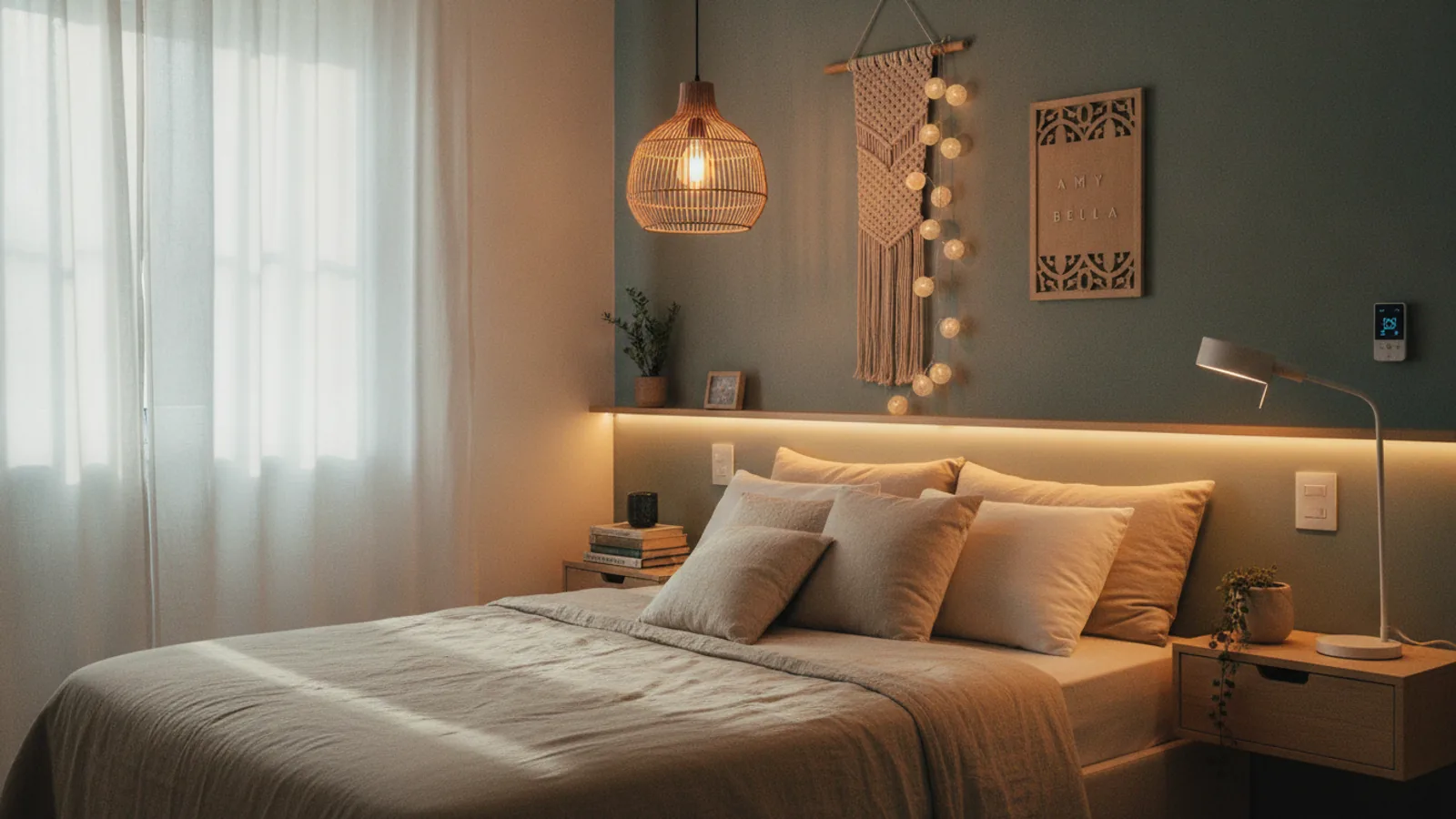
Small Living Room Budget Update Ideas
A practical step-by-step guide to small living room budget update ideas, including preparation, instructions, common issues, tips, and next steps.

Small Living Room Budget Update Ideas
Giving a small living room a fresh look doesn't require a big budget or a complete overhaul. This guide provides practical, step-by-step ideas for updating your space using smart, affordable techniques. We'll walk you through everything from decluttering and rearranging to simple DIY projects that make a huge impact. Whether you're looking to create a cozier feel, make the room appear larger, or simply refresh your style, these budget-friendly updates will help you transform your living room into a space you love.
Fast Answer
- Declutter & Rearrange: Instantly creates more space and improves flow without spending a dime.
- Use Paint Strategically: A light color on the walls can make the room feel larger and brighter.
- Update Textiles: New pillows, throws, or a rug can add color and texture affordably.
- Add Mirrors & Lighting: Mirrors reflect light and create an illusion of depth, while better lighting improves mood.
- Incorporate Greenery: Plants add life, color, and a natural element to any room.
Before You Start
Preparation is the key to a smooth and successful update. Gathering your tools and materials beforehand saves time and prevents frustration. Before you move a single piece of furniture, take a few moments to plan your approach and ensure you have what you need.
- Measuring Tape: Essential for checking furniture dimensions and room layout.
- Basic Cleaning Supplies: All-purpose cleaner, cloths, vacuum, glass cleaner.
- Painter's Kit: If painting, you'll need tape, drop cloths, brushes, rollers, and a paint tray.
- Basic Toolkit: Screwdrivers, a hammer, and a level will be useful for hanging art or assembling items.
- Stud Finder: For safely hanging heavy items like large mirrors or floating shelves.
- Spackle and Putty Knife: To fill any nail holes before painting.
- A Plan or Mood Board: Collect images and ideas to define the style you're aiming for. This helps guide your choices and prevent impulse buys.
Step-by-Step Instructions
Follow these steps to systematically refresh your living room. Each one builds on the last, creating a significant transformation on a minimal budget.
Declutter and Deep Clean for a Fresh Foundation
The most impactful and completely free update is to clear out the clutter. A small space can feel chaotic and cramped when filled with unnecessary items. Go through everything in your living room—magazines, old electronics, decorative objects that no longer bring you joy—and sort them into three piles: keep, donate, or trash.
Be honest with yourself about what you truly need and use. Once the clutter is gone, perform a deep clean. Dust all surfaces from top to bottom, wash windows, vacuum upholstery, and clean the floors. A clean, organized space is the perfect blank canvas and often feels dramatically larger and brighter on its own.
Rethink and Rearrange Your Layout
How your furniture is arranged has a massive effect on how the room feels and functions. Many people make the mistake of pushing all furniture against the walls, which can actually make a room feel static and less inviting. Experiment with new layouts. Try "floating" your sofa by pulling it a few inches away from the wall. Arrange chairs to create a conversational area.
The goal is to create clear pathways for walking and a layout that feels open and balanced. Consider the main traffic patterns and ensure they are unobstructed. Sometimes, simply swapping the position of the sofa and a bookshelf can completely change the room's dynamic for the better.
Apply a Fresh Coat of Paint
Paint offers the most bang for your buck when it comes to transforming a room. For small living rooms, light and neutral colors are a classic choice for a reason. Shades of off-white, soft gray, pale blue, or sage green reflect more light, making the space feel bigger and more airy.
If you love color, consider an accent wall. Painting the wall furthest from the entrance a slightly darker or bolder shade can create an illusion of depth. Another trick is to paint the walls, trim, and even the ceiling the same light color. This blurs the lines where the walls end and the ceiling begins, making the room feel taller.
Swap Out Textiles for Instant Impact
Textiles are the soft layers that make a room feel cozy and complete. They are also one of the easiest and most affordable things to update. Introduce new colors, patterns, and textures with throw pillows, a soft blanket draped over the sofa, or a new area rug. Even changing out heavy, dark curtains for lighter, sheer ones can flood the room with natural light and make it feel more open.
When choosing a rug for a small space, it's often better to go larger than you think. A tiny rug can make a room look disjointed. A larger rug that can fit at least the front legs of your main furniture pieces will anchor the space and make it feel more cohesive and expansive.
Add Smart, Multi-Functional Storage
In a small room, every piece of furniture should work hard. Look for opportunities to incorporate storage in clever ways. An ottoman with a removable lid can store blankets or board games. A narrow console table behind the sofa can hold a lamp and books. Floating shelves are excellent because they provide storage and display space without taking up any floor space, which helps the room feel less crowded.
Use decorative baskets or stylish boxes on shelves to corral smaller items like remote controls, coasters, and charging cables. This keeps surfaces clear and reduces visual clutter, which is essential for a serene and spacious-feeling room.
Layer Your Lighting Scheme
A single overhead light can cast harsh shadows and make a room feel flat. A well-lit room uses multiple sources of light, a concept known as "layering." Aim to have at least three types of lighting:
- Ambient: The overall illumination, often from a ceiling fixture or floor lamp.
- Task: Focused light for specific activities, like a reading lamp next to a chair.
- Accent: Softer light used to highlight features, like a picture light over artwork or a small lamp on a bookshelf.
You don't need to hire an electrician. A stylish floor lamp in a dark corner, a table lamp on a side table, or even plug-in wall sconces can add warmth and dimension, making your living room feel more inviting and sophisticated.
Create a Focal Point with Art or a Mirror
Every room needs a focal point—a spot that draws the eye and anchors the space. In a small living room, a large mirror is a fantastic choice. It not only adds a decorative touch but also bounces light around the room and creates a powerful illusion of depth, making the space feel significantly larger. For maximum effect, place the mirror on a wall opposite a window.
Alternatively, create a gallery wall with a collection of smaller framed photos or art. To keep it from looking cluttered, choose frames in a similar color or style. You could also invest in one large piece of art that you love. It can set the tone for the entire room's color palette.
Bring the Outdoors In with Plants
Houseplants are a simple, low-cost way to add life, color, and texture to any room. Greenery makes a space feel fresh and vibrant. You don't need to create an indoor jungle; even one or two well-placed plants can make a difference. For small spaces, consider plants that grow vertically, like a snake plant, or trailing plants like a pothos that can be placed on a high shelf.
If you're new to plant care, start with low-maintenance options that are known for being resilient, such as ZZ plants or spider plants. Don't forget the pot! A stylish planter can be a decorative object in its own right.
Quick Reference
| Situation | Use This Idea | Why It Works |
|---|---|---|
| Room feels cramped and small | Add a large mirror, use light paint colors | Reflects light and creates an illusion of depth, making the space feel larger. |
| Room feels dark and gloomy | Layer your lighting, switch to sheer curtains | Eliminates harsh shadows and maximizes both artificial and natural light. |
| Room feels bland and boring | Update textiles (pillows, rug), add plants | Injects color, pattern, texture, and life into the space with minimal commitment. |
| Room feels messy and cluttered | Declutter ruthlessly, add multi-functional storage | Removes unnecessary items and provides a home for essentials, creating a calm look. |
Common Problems When You Update a Small Living Room
Even with the best intentions, a budget update can hit a few snags. Here are some common issues and how to solve them.
- Making the Room Feel Even Smaller: This can happen if you choose furniture that's too large for the scale of the room, use very dark paint colors, or simply add too many decorative items. The fix: Prioritize furniture with a smaller footprint and visible legs. Stick to a light color palette for the main elements, and be highly selective about the decor you display. Less is almost always more in a small space.
- The Update Looks "Cheap": Sometimes, in an effort to save money, choices can be made that don't hold up visually. The fix: Focus on quality over quantity. One beautiful linen pillow is better than five shiny polyester ones. Look for natural materials like wood, cotton, and metal. When in doubt, stick to timeless, simple designs over trendy items that may look dated quickly.
- Going Over Budget: It's easy for small purchases to add up. The fix: Create a detailed plan and budget before you buy anything. Make a list of priorities—what change will make the biggest difference? Tackle that first. Look for secondhand items on marketplaces or in thrift stores, and always wait 24 hours before making a non-essential purchase to avoid impulse buys.
Advanced Tips for small living room budget update ideas
Ready to take your design to the next level? Try these more advanced techniques to maximize the style and function of your small living room.
- Create "Zones": Even in a single small room, you can create the illusion of separate functional areas. Use an area rug to define the main seating area. Place a slim console table against a wall with a chair to create a mini workspace. A comfortable armchair and a floor lamp in a corner can become a dedicated reading nook. This zoning makes the room more useful and feel larger.
- Think Vertically: When floor space is limited, the only way to go is up. Draw the eye upward to create a sense of height and spaciousness. Use tall, narrow bookcases instead of wide, short ones. Hang curtains as close to the ceiling as possible and let them extend to the floor. A gallery wall that extends higher up the wall can also have this effect.
- Use a Monochromatic Color Scheme: This doesn't mean everything has to be beige. A monochromatic scheme involves using different shades, tones, and tints of a single color. For example, you could use a soft gray on the walls, a medium-gray sofa, and charcoal and silver accent pillows. This creates a sophisticated, cohesive look that allows the room to feel unified and uncluttered. The key is to introduce lots of different textures (e.g., a chunky knit blanket, a velvet pillow, a woven rug) to keep it from feeling flat.
Small Living Room Budget Update Ideas FAQ
How can I make my small living room look bigger on a budget?
The best budget-friendly tricks are to use light paint colors on the walls, hang a large mirror to reflect light and create depth, and choose furniture that is raised on legs to create a sense of openness. Maximizing natural light by using sheer curtains also helps immensely.
What is the absolute cheapest way to update a living room?
The cheapest way is completely free: declutter thoroughly and rearrange your existing furniture. You'd be amazed at how much larger and fresher the room can feel without spending a single dollar. After that, shopping your own home for decor to swap from other rooms is the next cheapest step.
What colors make a small living room look bigger?
Light and neutral colors are your best bet. Off-white, soft grays, pale blues, and sage greens are excellent choices because they reflect light and make walls recede, which creates a feeling of spaciousness. Sticking to a cooler color palette can also enhance this effect.
Should I use a rug in a small living room?
Yes, a rug is a great addition to a small living room. It can add color, texture, and coziness, and it helps to define the main seating area. The key is to choose the right size. A common mistake is using a rug that is too small. Ideally, the rug should be large enough so that at least the front legs of your sofa and any armchairs are sitting on it.
Final Checklist for small living room budget update ideas
Use this checklist to ensure you've covered all the bases for a successful and satisfying living room refresh.
- Measure your room and all major furniture pieces.
- Create a clear plan, mood board, and a firm budget before starting.
- Perform a thorough decluttering of the entire space.
- Deep clean all surfaces, windows, and floors for a fresh start.
- Test paint samples on your wall in different lighting conditions.
- Experiment with furniture layouts to optimize flow and conversation.
- Layer in your new or updated textiles like pillows, throws, and curtains.
- Ensure you have a layered lighting scheme with ambient, task, and accent lights.
- Hang your chosen focal point, whether it's a large mirror or artwork.
- Add a touch of life with a few well-placed houseplants.
- Step back, make any final tweaks, and enjoy your beautifully updated space.