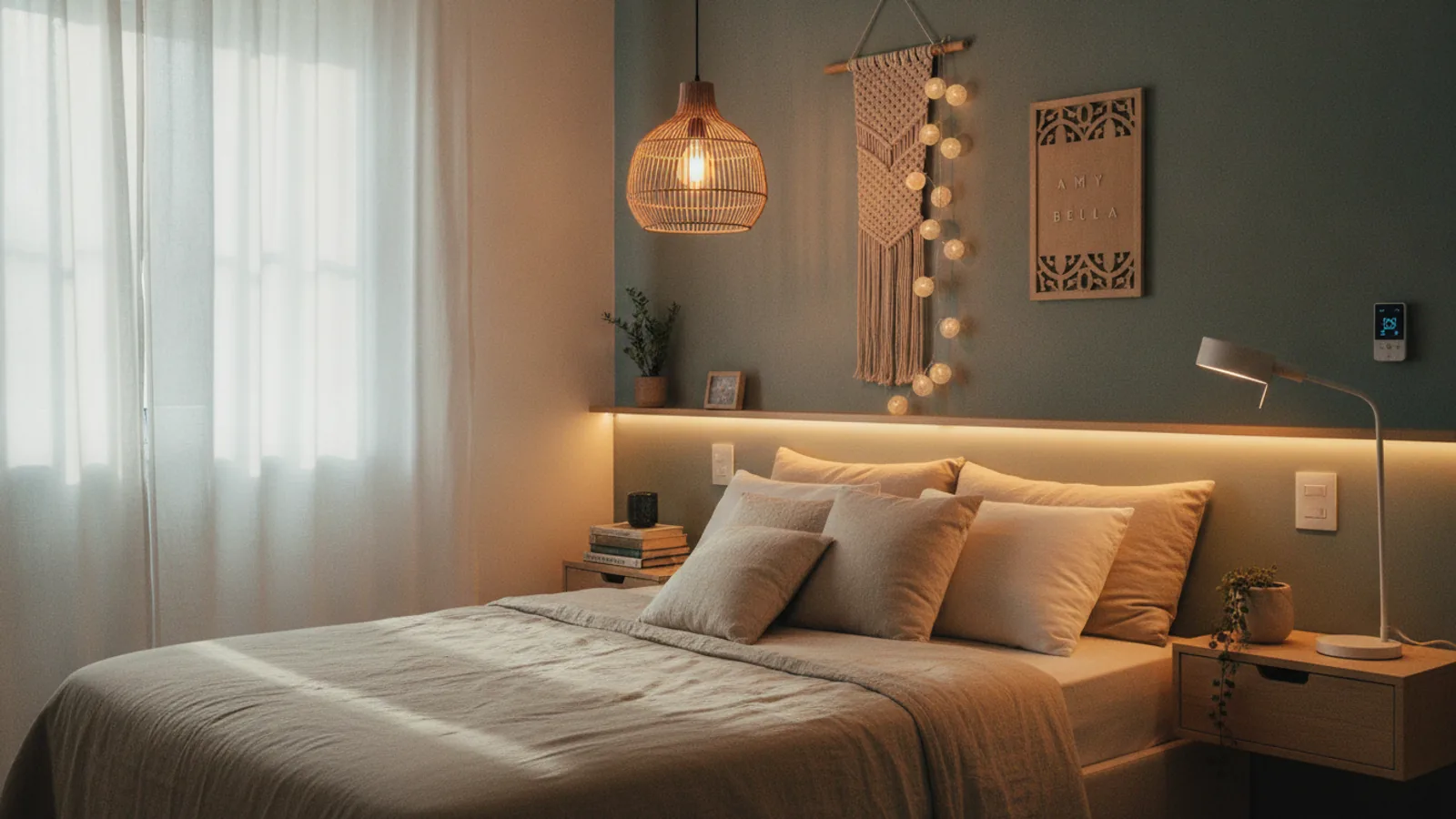
Small Living Room Organisation Ideas
A practical step-by-step guide to small living room organisation ideas, including preparation, instructions, common issues, tips, and next steps.

Small Living Room Organisation Ideas
Organizing a small living room can feel like a puzzle with too many pieces. This guide provides clear, step-by-step instructions to transform a cramped and cluttered area into a functional, spacious, and inviting room. We'll walk you through everything from decluttering your space to choosing smart furniture that works harder for you. Following these small living room organisation ideas will help you maximize every square inch and create a home you love to relax in.
Fast Answer
- First Step: Ruthlessly declutter and remove anything you don't use, need, or love.
- Key Principle: Utilize vertical space with tall shelving to draw the eye upward and free up the floor.
- Smartest Choice: Opt for multi-functional furniture, like storage ottomans and coffee tables with drawers.
Before You Start
- Measuring Tape: Essential for checking room dimensions and furniture sizes.
- Sorting Boxes or Bags: Label three containers: "Keep," "Donate," and "Trash."
- Basic Cleaning Supplies: Microfiber cloths, all-purpose cleaner, vacuum, and mop.
- Notebook and Pen: For sketching layout ideas and making lists.
- Basic Tool Kit: A screwdriver and level may be needed for assembling new furniture or shelves.
Step-by-Step Instructions
Declutter and Sort Everything
The most important step in any organization project is to get rid of what you don't need. Start by emptying the room as much as possible. If you can't take everything out, work in sections. Go through every single item—books, DVDs, electronics, decor, blankets—and sort it into one of your three boxes: Keep, Donate, or Trash. Be honest with yourself. If you haven't used it in a year or don't absolutely love it, it's time for it to go. This initial purge creates the foundation for an organized space.
Pay special attention to flat surfaces like coffee tables and TV stands, as these are magnets for clutter. Clear them completely. Getting down to a blank slate will help you see the room's true potential and make the next steps much easier.
Clean the Empty Room Thoroughly
With the clutter gone and the room mostly empty, now is the perfect time for a deep clean. A fresh, clean space instantly feels bigger and more pleasant. Start from the top and work your way down. Dust ceiling fans and light fixtures, wipe down walls and baseboards, and clean the inside and outside of windows. Finish by vacuuming or mopping the floor, getting into all the corners that are usually hidden by furniture. Don't forget to dust and clean any furniture you plan to put back into the room.
Plan Your Furniture Layout
Before you start moving heavy furniture back into the room, create a plan. Grab your notebook and sketch a simple floor plan of your living room. Think about how you use the space and the natural flow of traffic. The main pathway through the room should be at least 30-36 inches wide to feel comfortable. Position your largest piece, usually the sofa, first. Often, placing it against the longest wall is the most space-efficient option. Arrange other seating to facilitate conversation without blocking walkways.
Select Furniture That Does Double Duty
In a small living room, every piece of furniture should earn its keep. This is one of the most effective small living room organisation ideas. Look for pieces that offer hidden storage or serve multiple purposes. An ottoman with a lift-off top can store blankets, magazines, or video game controllers while also serving as a footrest or extra seating. A coffee table with drawers or a lower shelf provides a place to stash remotes and coasters. A slim console table behind the sofa can hold a lamp and drinks, eliminating the need for bulky end tables.
Go Vertical with Shelving and Storage
When you can't build out, build up. Using your vertical space is key to making a small room feel larger and more organized. Tall, narrow bookcases take up less floor space than short, wide ones but offer just as much storage. Floating shelves are another excellent option; they create storage for books, plants, and decor without adding any visual bulk to the floor. By drawing the eye upward, you create an illusion of height and spaciousness. Consider mounting your television on the wall to free up the surface of a media console for other uses or to allow for a slimmer console altogether.
Assign a Purpose to Each Area
Create "zones" in your living room to give every area a clear purpose. This helps contain activities and their related items. You could have an entertainment zone centered around the TV, a reading nook with a comfortable chair and a good lamp, and a small conversation area. Use an area rug to visually anchor your main seating area and separate it from other parts of the room. This technique helps the brain process the space as organized and intentional, even if it's small.
Organize and Hide Electronic Cords
A tangled mess of cords and cables can make even the most organized room look chaotic. Take the time to manage the wires from your TV, speakers, lamps, and charging stations. Use velcro cable ties or zip ties to bundle cords together neatly. For a cleaner look, use a cable management box to hide power strips and excess cable length. You can also find cord concealers that stick to your wall or baseboard and can be painted to match, making wires virtually disappear.
Contain Clutter with Decorative Baskets
For all the small items that need to be accessible but create visual clutter—like remote controls, magazines, throws, and toys—use decorative baskets and bins. They are a stylish and practical solution. You can slide them onto the shelves of a bookcase, tuck them under a console table, or place a large one next to the sofa for blankets. Choose baskets that match your room's decor to create a cohesive and tidy look. This strategy keeps surfaces clear and makes tidying up quick and easy.
Maximize Light and Use Mirrors
Light and mirrors are powerful tools for making a small room feel larger. Keep window treatments simple and light. Sheer curtains allow natural light to flood the room while still providing privacy. Supplement natural light with a good lighting plan that includes overhead light, task lighting (like a reading lamp), and accent lighting. Then, strategically place a large mirror on a wall, especially opposite a window. The mirror will reflect light and the view, creating a strong illusion of depth and openness.
Be Intentional with Decorative Items
In a small space, less is more when it comes to decor. Too many small knick-knacks can make a room feel cluttered and busy. Instead of displaying everything you own, curate your collection. Choose a few meaningful items that you truly love. Group smaller items together on a tray to make them look like a single, intentional arrangement. To prevent clutter from creeping back in, adopt the "one in, one out" rule: every time you bring a new decorative piece into the room, an old one must be donated or stored away.
Quick Reference
| Situation | Use This | Why |
|---|---|---|
| Too many books, movies, or games | Floating shelves or a tall, narrow bookcase | It uses vertical wall space, keeping the floor clear and making the room feel taller. |
| Loose blankets and pillows on the sofa | A storage ottoman or a large lidded basket | It hides bulky, soft items while providing extra seating, a footrest, or a surface. |
| A tangled mess of electronic cords | A cable management box or wall-mounted cord covers | It contains visual clutter, making the entertainment area look clean and intentional. |
| Room feels dark and confined | A large mirror placed opposite a window | It bounces natural light around the room and reflects the space, creating an illusion of depth. |
| Cluttered coffee and end tables | Decorative trays and small storage boxes | They group small items like remotes and coasters, making them look like a single, tidy unit. |
Common Problems When Organizing a Small Living Room
Even with a solid plan, you might run into a few common issues. Here’s how to troubleshoot them.
The Room Still Feels Cluttered
The Cause: You may still have too much furniture for the scale of the room, or your decor might be too busy. Even if everything is "organized," an overstuffed room will always feel cramped.
The Fix: Try the "take one thing away" method. Remove one piece of furniture (like a side chair or an extra end table) or a few decorative items. Live with it for a day or two and see how it feels. Often, creating more negative space is the key to making a room feel calm and open.
Storage Solutions Look Messy
The Cause: Open shelving is fantastic, but if it's not styled correctly, it can look just as messy as the clutter you were trying to eliminate. Mismatched bins and overstuffed shelves contribute to visual noise.
The Fix: Create a cohesive look on your shelves. Use matching baskets or bins to hide smaller, less attractive items. When arranging decor, group items in odd numbers (like three or five) and vary their height. Most importantly, leave some empty space on each shelf. This "breathing room" is critical for a clean, curated look.
The Organization Doesn't Last
The Cause: You've organized the room, but within a week, clutter starts to creep back in. This usually happens when the systems you've set up are too complicated or don't fit your daily habits.
The Fix: Create a simple maintenance routine. The "5-Minute Tidy" is a great habit to build. Every evening before you go to bed, spend five minutes putting things back in their designated homes: fold the blanket, put the remotes in their basket, and clear any cups or mail off the coffee table. Making this a consistent habit is the key to long-term organization.
Advanced Tips for Small Living Room Organisation
Ready to take your small space to the next level? These professional design tricks can make a big impact.
- Choose "Leggy" Furniture: Sofas, chairs, and consoles that are raised on visible legs create a feeling of spaciousness. Being able to see the floor underneath the furniture makes the room appear larger and more open than it would with bulky pieces that sit directly on the floor.
- Use a Monochromatic or Analogous Color Scheme: Painting your walls, trim, and even large furniture pieces in similar light shades creates a seamless, expansive effect. With fewer harsh visual breaks, the eye flows smoothly around the room, making it feel bigger. Light neutrals like soft gray, beige, and off-white are excellent choices.
- Think About "Visual Weight": Every object has a visual weight. A huge, dark, overstuffed sofa has a lot of it. A streamlined sofa in a light color with thin arms has much less. Choose pieces with a lighter visual weight. Furniture made of glass or acrylic is a great example—a clear coffee table provides a functional surface but seems to take up almost no space at all.
- Hang Curtains High and Wide: To make your windows look larger and the ceiling higher, mount your curtain rod 4-6 inches above the window frame and extend it 3-6 inches past the frame on each side. Let the curtains hang so they just skim the floor. This trick draws the eye upward and makes the whole wall feel more grand.
Small Living Room Organisation Ideas FAQ
How can I organize my small living room with no storage closets?
When you lack built-in storage, you have to create your own. Focus on multi-functional furniture like storage ottomans, lift-top coffee tables, and media consoles with plenty of cabinets and drawers. Utilize vertical space with tall bookcases and wall-mounted shelving. You can also use the space under your sofa and chairs for low-profile rolling storage bins that can hold items you don't use every day.
What is the best furniture layout for a small living room?
There is no single "best" layout, as it depends on your room's shape and how you use it. However, a great starting point is to place your largest furniture item, the sofa, against the longest wall. Arrange other seating in a conversational grouping. A key tip is to avoid pushing all furniture flat against the walls. Pulling your sofa out even a few inches can create an illusion of more space. Always prioritize clear, wide pathways for walking through the room.
What colors make a small living room look bigger?
Light and neutral colors are your best friend in a small space. Shades of white, cream, light gray, and soft pastels reflect more light, which makes a room feel more airy and open. For a powerful space-enhancing effect, paint the walls and the trim the same light color. This erases the visual boundaries of the room, making it seem larger than it is.
Final Checklist for Small Living Room Organisation
- Complete Declutter: Every item has been sorted into Keep, Donate, or Trash.
- Clear Pathways: Main walkways are at least 30 inches wide and free of obstruction.
- Multi-functional Furniture: Key pieces like the ottoman or coffee table offer hidden storage.
- Vertical Space Used: Wall shelves or tall bookcases are in place to store items off the floor.
- Cords Managed: All electronic cables are bundled, hidden, or concealed.
- Designated Homes: Small items like remotes and magazines are contained in baskets, bins, or drawers.
- Maximized Light: The room has ample natural and artificial light, and a mirror is used to enhance it.
- Curated Decor: Decorative items are limited to a few meaningful pieces to avoid a cluttered look.
- Maintenance Plan: You have a simple, 5-minute daily tidy-up routine in place to maintain your hard work.